

15 Best Visitor Centers Near You (USA Edition)
If you’re also someone who’s been searching “visitor centers near me,” this blog will definitely help you out. Whether you’re planning a national park road trip, heading to a famous landmark, or just want a proper orientation before you start exploring, visitor centers are one of the most underrated stops on any American trip — free maps, ranger advice, real bathrooms, and often the best exhibits in the entire park.
The tricky part with a “near me” search is that no blog can actually know where you’re standing right now — so instead of guessing, we’ve done two things here: pulled together 15 of the most iconic, highest-visited visitor centers across the USA (the ones genuinely worth planning a stop around), and given you the exact tools to find whichever one is actually closest to you, wherever that happens to be.
If you want the single most iconic stop in the country, the Grand Canyon Visitor Center at Mather Point is hard to beat — it anchors the most-visited national park in America. For the fastest way to find one near your current location, open Google Maps and search “visitor center,” or go straight to the National Park Service’s official site locator at nps.gov, which lists every park visitor center with hours and contact details.
Key Takeaways
- Visitor centers are free to enter, even at parks that charge an entrance fee — most sit right at or near the main gate.
- The busiest visitor centers match the busiest parks. Great Smoky Mountains, Zion, Yellowstone, Grand Canyon, and Yosemite are the five most-visited national parks in the country, and their visitor centers see the crowds to match.
- Rangers are the most underused resource in American tourism. Staff at these centers can point you to trails, viewpoints, and timing that isn’t obvious from a map alone — asking is genuinely worth the two minutes it takes.
- The best way to find one “near you” is a live tool, not a static list — Google Maps and the official NPS site locator both update in real time, which a blog post never can.
How to Actually Find a Visitor Center Near You
Before the list, here’s the honest answer to the “near me” part of the search — three tools that will find the actual closest visitor center to your real location, right now:
- Google Maps or Apple Maps: Search “visitor center” directly. Both apps use your live location and will show the nearest options with hours, ratings, and directions in seconds.
- National Park Service site (nps.gov): If you’re near a national park, NPS.gov lists every visitor center for every park by name, with official hours, seasonal closures, and accessibility details — the most reliable source for park-specific centers.
- State tourism websites: Most U.S. states run their own welcome centers, usually positioned right on major interstates as you cross state lines. A quick search for “[your state] welcome center” on the state’s official .gov tourism site will list every location.
With that covered, here are 15 of the most iconic visitor centers in the country — the ones worth building a stop into your trip, wherever you’re headed.
Quick Comparison Table
| Rank | Visitor Center | Location | Best For |
|---|---|---|---|
| 1 | Grand Canyon Visitor Center | Grand Canyon NP, Arizona | First-timers, iconic overlooks |
| 2 | Sugarlands Visitor Center | Great Smoky Mountains NP, Tennessee | Wildlife exhibits, trail info |
| 3 | Zion Canyon Visitor Center | Zion NP, Utah | Shuttle planning, permits |
| 4 | Old Faithful Visitor Education Center | Yellowstone NP, Wyoming | Geyser eruption predictions |
| 5 | Yosemite Valley Visitor Center | Yosemite NP, California | Ranger programs, waterfall info |
| 6 | Beaver Meadows Visitor Center | Rocky Mountain NP, Colorado | Historic architecture, elk viewing tips |
| 7 | Hulls Cove Visitor Center | Acadia NP, Maine | Carriage road maps, sunrise timing |
| 8 | Craig Thomas Discovery Center | Grand Teton NP, Wyoming | Wildlife safety briefings |
| 9 | Apgar Visitor Center | Glacier NP, Montana | Going-to-the-Sun Road updates |
| 10 | Presidio Visitor Center | Golden Gate NRA, California | City views, historic sites |
| 11 | Washington Monument Lodge | National Mall, Washington D.C. | Timed-entry tickets, monument access |
| 12 | Blue Ridge Parkway Destination Center | Asheville, North Carolina | Scenic drive planning |
| 13 | Oasis Visitor Center | Joshua Tree NP, California | Desert trail safety info |
| 14 | Thomas H. Kuchel Visitor Center | Redwood National and State Parks, California | Ancient redwood groves |
| 15 | Hot Springs National Park Visitor Center | Hot Springs, Arkansas | Historic bathhouse exhibits |
The 15 Best Visitor Centers in the USA (Ranked)
1. Grand Canyon Visitor Center — Grand Canyon National Park, Arizona
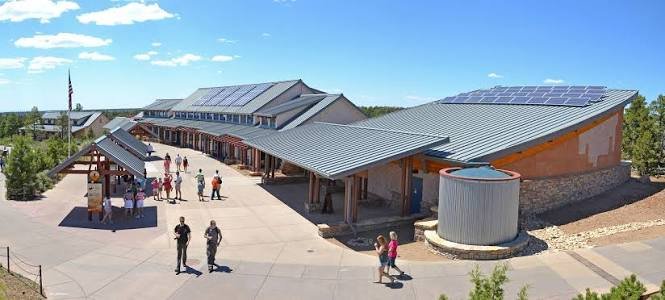
Sitting near Mather Point on the South Rim, this is the natural starting point for the most iconic natural landmark in the country. Exhibits cover the canyon’s geology and history, and it’s the easiest place to pick up hiking permits, trail maps, and shuttle information before heading to the rim itself.
Why it’s #1: It anchors one of the most recognized natural landmarks on Earth, drawing millions of visitors every year.
Insider tip: Arrive early morning or late afternoon — midday parking near Mather Point fills up fast in peak season.
2. Sugarlands Visitor Center — Great Smoky Mountains National Park, Tennessee
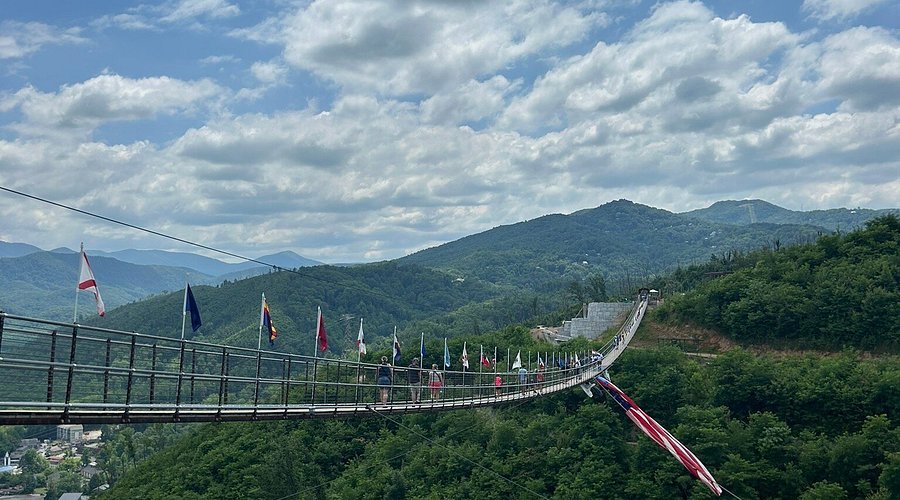
Great Smoky Mountains is the single most-visited national park in the country, and Sugarlands is where most visitors get their bearings. It features genuinely well-done wildlife exhibits alongside trail advice, making it a practical and welcoming stop right as you enter the park from the Gatlinburg side.
Why it’s here: It serves the busiest national park in America, and the exhibits are consistently praised for being informative without feeling like a museum chore.
Insider tip: Ask rangers about current black bear activity — trail closures shift seasonally based on wildlife movement.
3. Zion Canyon Visitor Center — Zion National Park, Utah
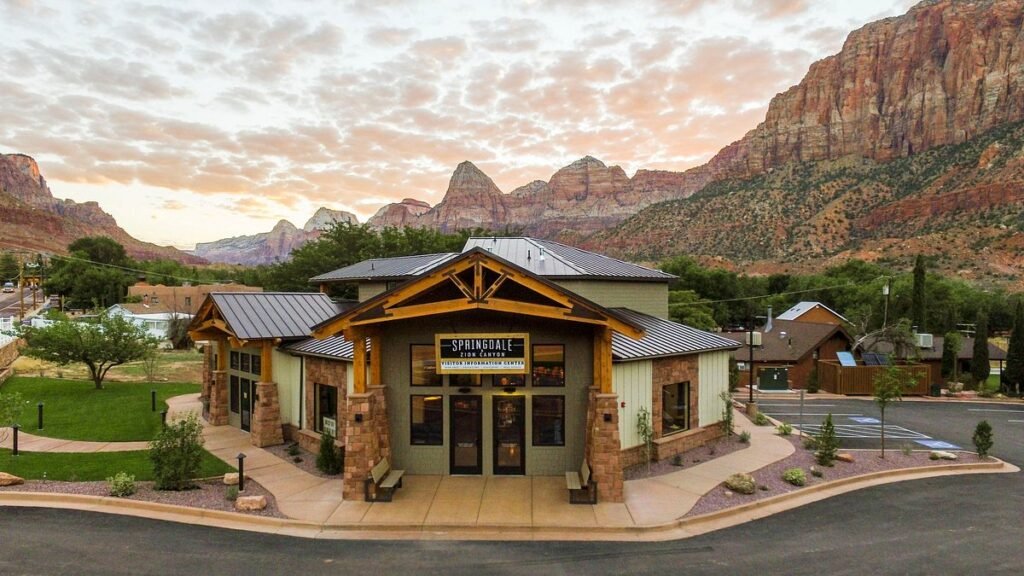
Zion is famously one of the most crowded national parks relative to its size, and this visitor center is essential for navigating the mandatory shuttle system that runs through Zion Canyon during peak season. It’s also the place to check current permit requirements for popular routes like Angels Landing.
Why it’s here: With visitor numbers packed into a small canyon footprint, this is the one center where planning genuinely changes your entire day.
Insider tip: Check the shuttle schedule and permit lottery results here before you commit to a hike — both can change day to day.
4. Old Faithful Visitor Education Center — Yellowstone National Park, Wyoming
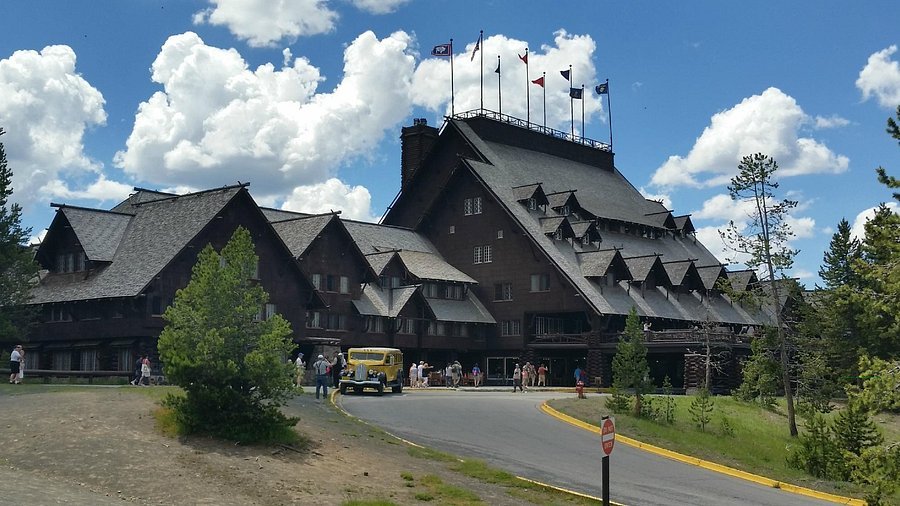
Built specifically to serve the crowds around Yellowstone’s most famous geyser, this center posts predicted eruption times for Old Faithful and several other geysers, alongside exhibits explaining the geothermal activity that makes the park unique.
Why it’s here: It’s the rare visitor center built around a live, predictable natural event, which makes timing your visit genuinely worthwhile.
Insider tip: Check the posted eruption prediction window as soon as you arrive — eruptions run early or late by 10–20 minutes fairly often.
5. Yosemite Valley Visitor Center — Yosemite National Park, California
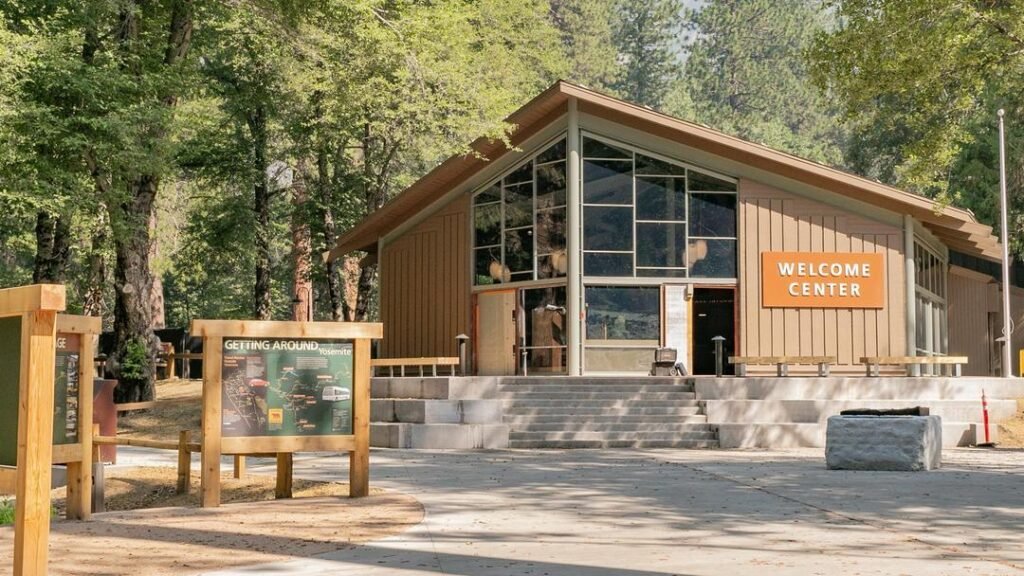
Located in the heart of Yosemite Valley, this center anchors a park that draws over four million visitors a year. It offers ranger-led programs, waterfall flow updates (which vary hugely by season), and detailed trail condition reports for everything from short valley walks to serious backcountry routes.
Why it’s here: Yosemite’s waterfalls and trail conditions change dramatically by season, and this is the most reliable place to get current, accurate information before you commit to a route.
Insider tip: Waterfall flow peaks in May and June from snowmelt — by late summer, several of Yosemite’s famous falls can run dry.
6. Beaver Meadows Visitor Center — Rocky Mountain National Park, Colorado
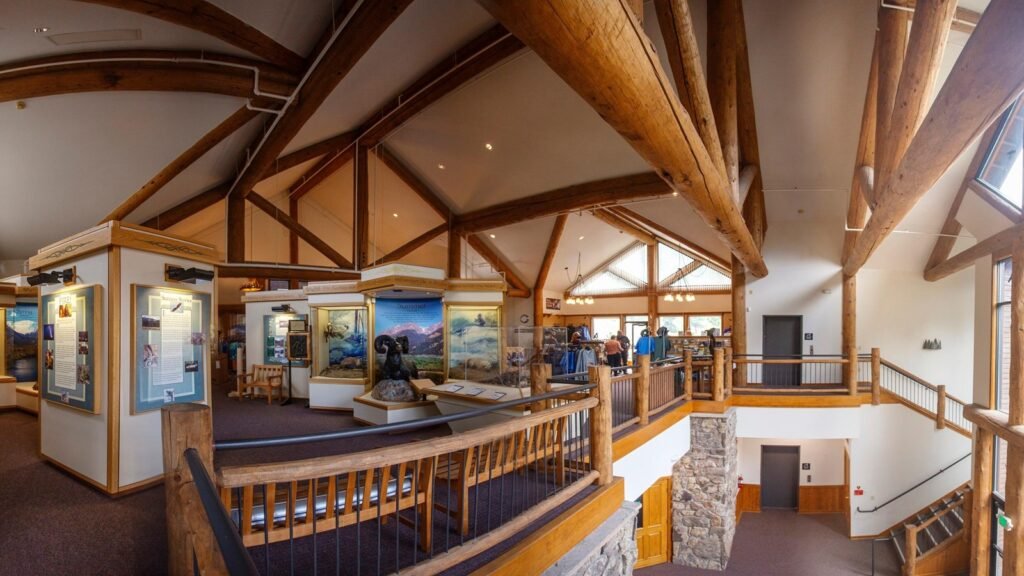
This center is a National Historic Landmark in its own right, with distinctive mid-century architecture designed to frame the mountains beyond it. It’s the main gateway for the park’s heavily visited east side, close to Estes Park and popular with elk-viewing visitors in the fall.
Why it’s here: It combines genuine architectural significance with practical trip planning for one of the busiest sides of a heavily visited park.
Insider tip: Visit at dawn or dusk in September and October for the best odds of spotting elk during the fall rut.
7. Hulls Cove Visitor Center — Acadia National Park, Maine
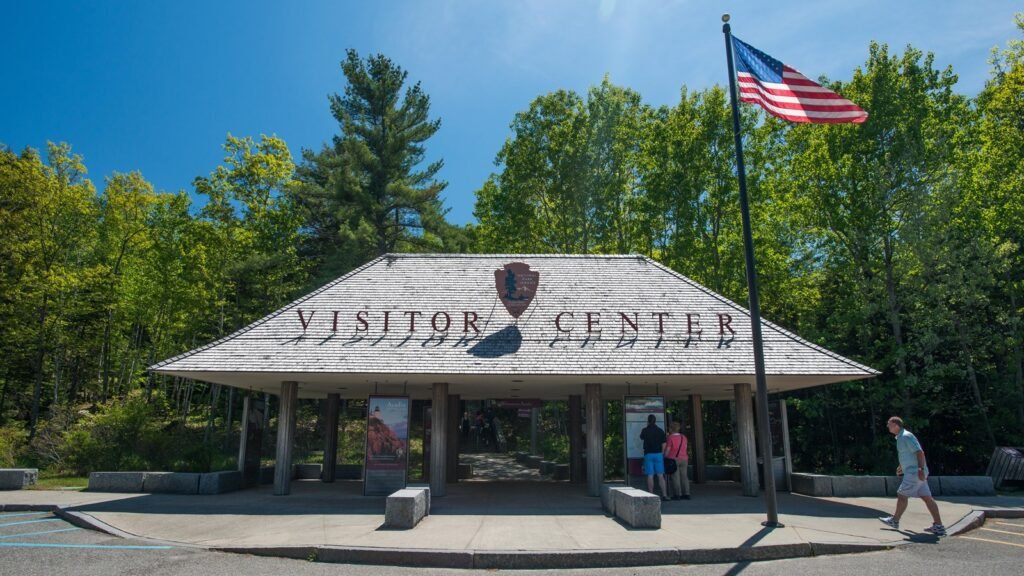
Acadia draws over four million visitors annually, many chasing the distinction of being among the first places in the U.S. to see sunrise. Hulls Cove is the place to get current information on Cadillac Mountain’s timed-entry sunrise reservations, plus maps of the park’s historic carriage road network.
Why it’s here: Acadia’s sunrise reservation system changes seasonally, and this is the definitive source for current entry rules.
Insider tip: Cadillac Mountain sunrise reservations often book out days in advance in peak summer — check availability before you finalize your trip dates.
8. Craig Thomas Discovery and Visitor Center — Grand Teton National Park, Wyoming
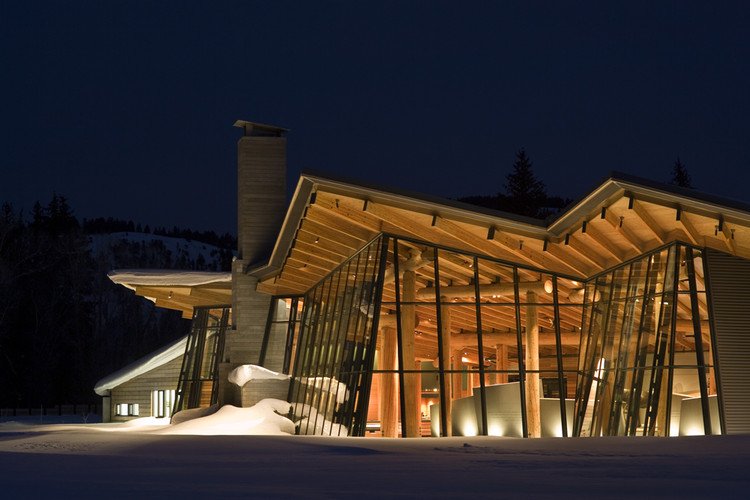
Set against the dramatic backdrop of the Teton Range, this center offers detailed wildlife safety briefings — genuinely useful given the park’s active bear and moose populations — alongside exhibits on the region’s geology and human history.
Why it’s here: Wildlife safety information here is directly practical, not just educational, given how frequently visitors encounter large animals in the park. Insider tip: Ask about current bear activity near popular trailheads — rangers update this information daily during peak season.
9. Apgar Visitor Center — Glacier National Park, Montana
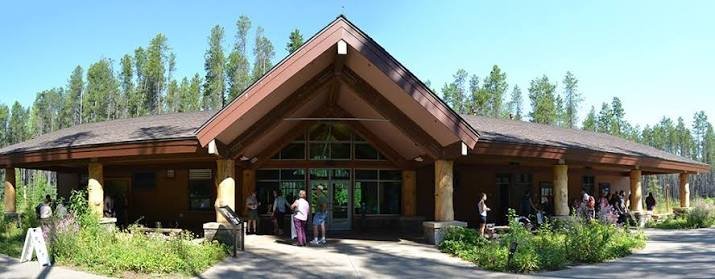
Positioned at the west entrance near Lake McDonald, Apgar is essential for anyone planning to drive the Going-to-the-Sun Road, which requires a vehicle reservation during peak season and closes seasonally due to snow.
Why it’s here: The Going-to-the-Sun Road’s reservation and closure status changes constantly, and this is the most reliable place to confirm current access before you drive up. Insider tip: Check the road’s current status here even if you checked online that morning — conditions can shift with little notice at elevation.
10. Presidio Visitor Center — Golden Gate National Recreation Area, California
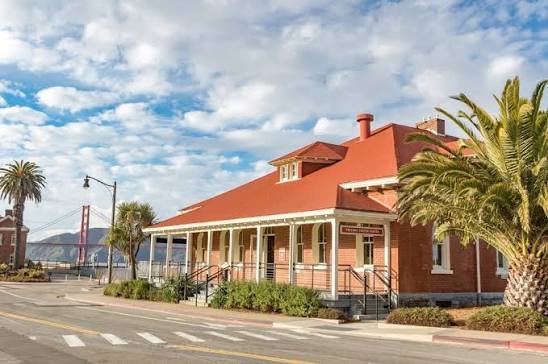
Golden Gate NRA is one of the most-visited units in the entire National Park System, and the Presidio center serves as an easy starting point for exploring both the historic military site and the sweeping views of the Golden Gate Bridge itself.
Why it’s here: It anchors one of the highest-traffic recreation areas in the country, blending city accessibility with genuine historic and scenic value. Insider tip: Combine your visit with a walk to Battery Spencer just across the bridge for one of the best classic Golden Gate photo angles.
11. Washington Monument Lodge — National Mall, Washington D.C.

This is the starting point for one of the most recognizable monuments in the country, and reservations to ride the elevator to the top are handled here (entry is free but must be booked in advance). It also functions as a practical orientation point for the wider National Mall.
Why it’s here: The Washington Monument and surrounding National Mall sites collectively draw some of the highest visitor numbers of any Park Service site in the country. Insider tip: Book your timed elevator entry ticket online in advance — same-day availability is limited, especially during peak cherry blossom season in spring.
12. Blue Ridge Parkway Destination Center — Asheville, North Carolina
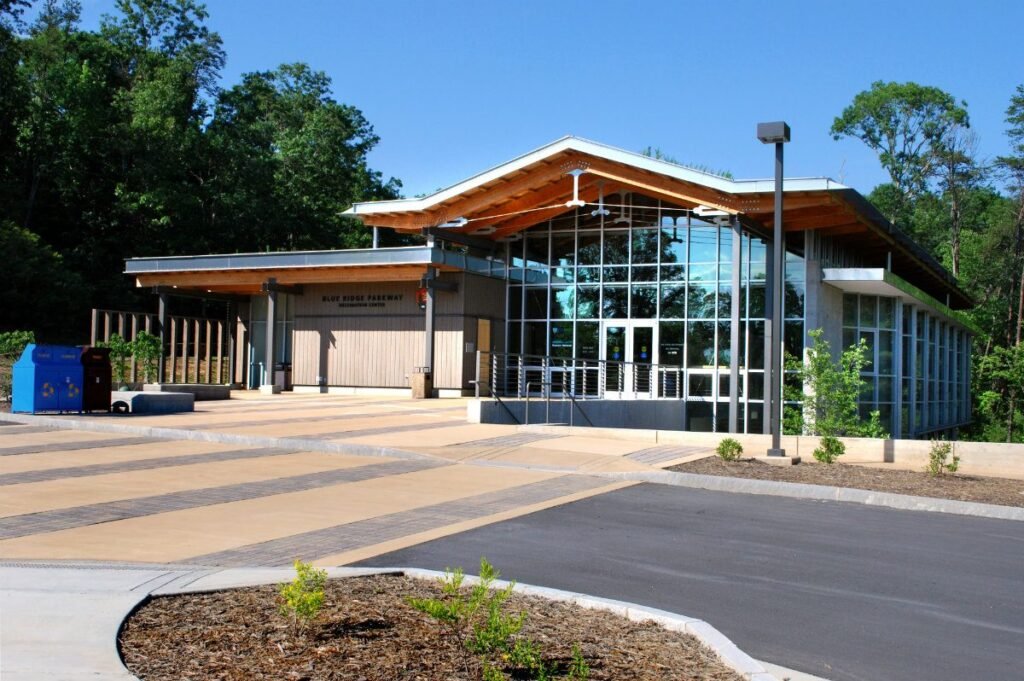
The Blue Ridge Parkway is consistently among the most-visited units in the entire National Park System, and this center in Asheville helps visitors plan the scenic 469-mile drive, including seasonal closures and the best overlooks for fall foliage.
Why it’s here: With visitor numbers in the tens of millions annually along the full parkway, trip planning here genuinely saves time and avoids closed sections. Insider tip: Fall foliage peaks at different elevations at different times — the center can tell you exactly which section is at peak color during your visit.
13. Oasis Visitor Center — Joshua Tree National Park, California
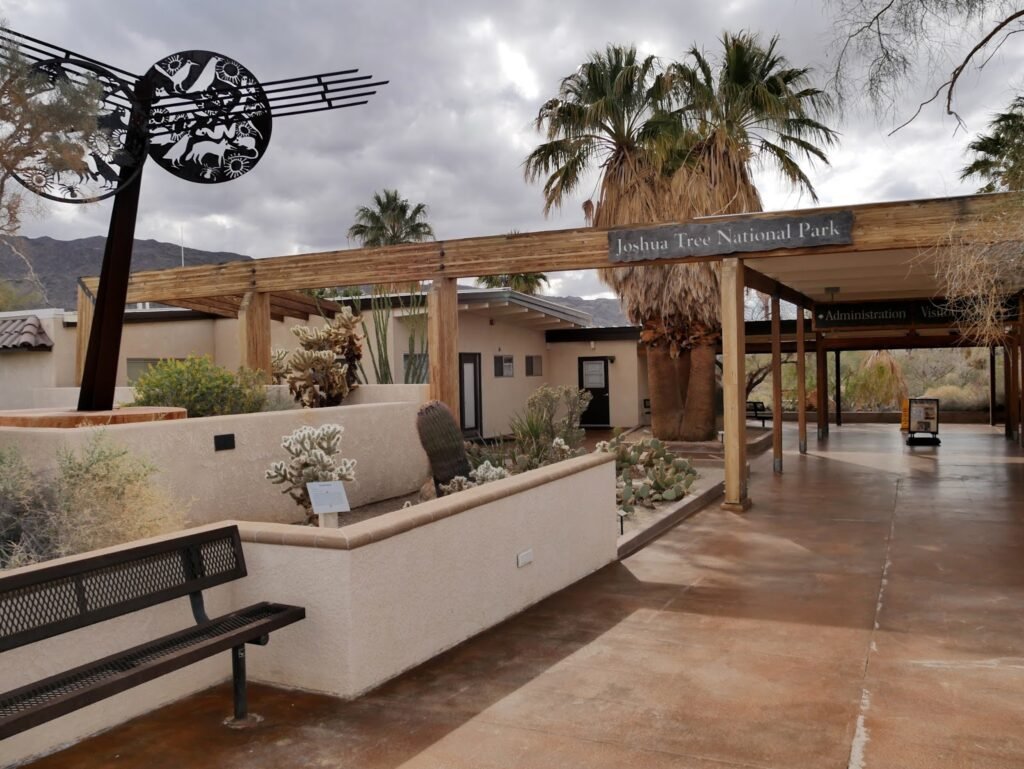
Located near the park’s north entrance in Twentynine Palms, this center is where most visitors get essential desert safety information — water requirements, heat warnings, and current trail conditions — before heading into a landscape that can be genuinely unforgiving without preparation.
Why it’s here: Desert conditions change fast and can be dangerous without the right preparation, making this stop more important than at most other parks on this list. Insider tip: Fill up on water here regardless of season — summer temperatures regularly exceed 100°F (38°C), and water sources inside the park are extremely limited.
14. Thomas H. Kuchel Visitor Center — Redwood National and State Parks, California
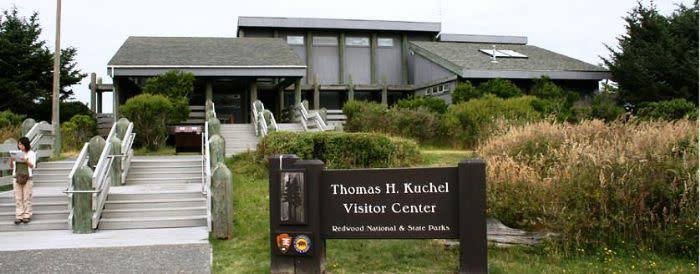
One of five visitor centers across the Redwood parks system, this center offers orientation for exploring some of the tallest trees on Earth, along with maps covering both the national and adjoining state park sections, which are managed jointly.
Why it’s here: The redwood groves are spread across a jointly managed national-and-state park system, and this center is key to understanding which sections are where.
Insider tip: Ask staff for same-day recommendations on less-crowded groves — the most famous trails aren’t always the least crowded ones.
15. Hot Springs National Park Visitor Center — Hot Springs, Arkansas
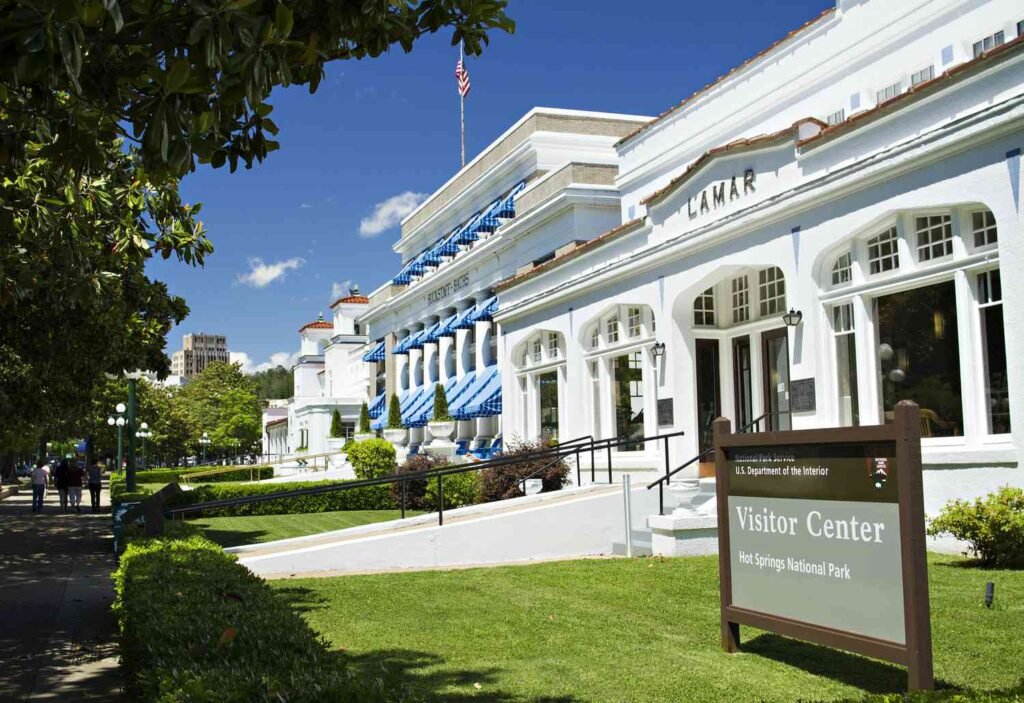
Set inside a restored historic bathhouse, this center tells the story of America’s oldest National Park Service site through a genuinely well-regarded self-guided tour across three floors and a basement, covering the science and history behind the park’s natural thermal springs.
Why it’s here: It’s one of the more unusual entries on this list — a national park inside a small city — and the historic building itself is as much a draw as the exhibits. Insider tip: Budget at least an hour for the self-guided tour — the basement level covering the original bathhouse mechanics is easy to miss if you’re short on time.
Frequently Asked Questions
How do I find the visitor center closest to my current location?
Search “visitor center” on Google Maps or Apple Maps, which will use your live location to show the nearest options with directions and hours. For a national park specifically, the official NPS.gov page for that park lists every visitor center by name with current hours and seasonal notes.Are visitor centers free to enter?
Yes, in nearly all cases, even at national parks that charge a separate entrance or vehicle fee. The visitor center itself, its exhibits, and ranger assistance are free.Do I need a reservation to visit a national park visitor center?
Generally no, but some specific experiences booked through a visitor center do require reservations — the Washington Monument elevator, Cadillac Mountain sunrise viewing in Acadia, and the Going-to-the-Sun Road in Glacier all have timed-entry or reservation systems worth checking before you go.What’s the difference between a national park visitor center and a state welcome center?
National park visitor centers are run by the National Park Service and focus on a specific park’s trails, safety, and exhibits. State welcome centers are run by individual states, usually positioned along interstate highways at state lines, and offer broader travel information — lodging, attractions, and road conditions across the whole state.Which national park visitor center gets the most visitors?
Sugarlands Visitor Center in Great Smoky Mountains National Park likely sees the highest traffic, since Great Smoky Mountains is the most-visited national park in the country, drawing over 11.5 million recreation visits in 2025.
Also Read: https://writersahibaa.in/lifestyle/10-best-places-to-visit-in-dubai/