
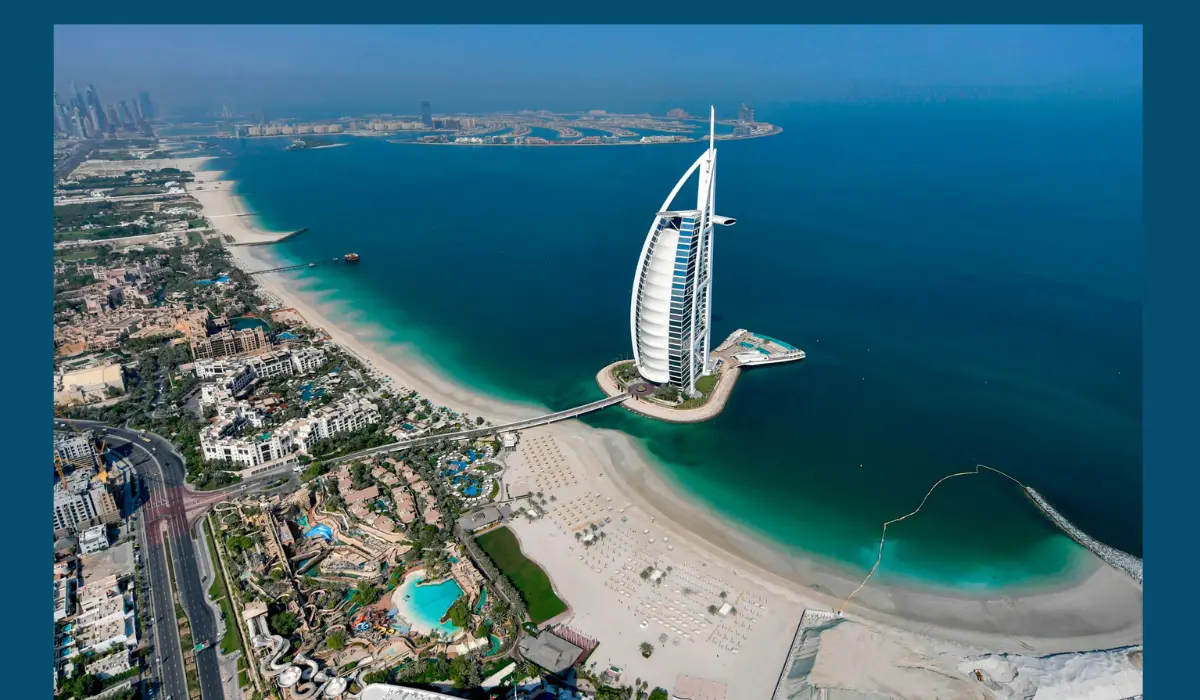
10 Best Places to Visit in Dubai: Iconic Attractions & Experiences You Shouldn’t Miss
The 10 best places to visit in Dubai are Burj Khalifa, The Dubai Mall & Dubai Fountain, Palm Jumeirah, Museum of the Future, Dubai Marina & JBR Beach, Al Fahidi Historic District (Old Dubai), Dubai Desert Safari, Dubai Frame, Global Village, and Dubai Miracle Garden. Together, they cover every side of the city — futuristic architecture, desert adventure, old-world culture, beaches, and family entertainment — so even a short trip can feel complete.
Dubai has hundreds of attractions competing for your time, and that’s exactly the problem most first-time visitors run into: too many options, not enough days. This guide cuts through that. These 10 places are the ones that consistently deliver, whether you’re visiting for three days or two weeks.
Quick Reference: The 10 Best Places to Visit in Dubai
| # | Place | Best For | Suggested Time |
|---|---|---|---|
| 1 | Burj Khalifa | Views, photos, sunset | 1–2 hours |
| 2 | Dubai Mall & Dubai Fountain | Shopping, evening entertainment | 3–4 hours |
| 3 | Palm Jumeirah | Beaches, luxury resorts, views | Half day |
| 4 | Museum of the Future | Innovation, architecture, families | 2–3 hours |
| 5 | Dubai Marina & JBR Beach | Waterfront walks, dining, watersports | Half day |
| 6 | Al Fahidi Historic District | Culture, history, art galleries | 2 hours |
| 7 | Desert Safari | Adventure, sunset, traditional dinner | Half day/evening |
| 8 | Dubai Frame | Panoramic views, photos | 1 hour |
| 9 | Global Village | Multicultural pavilions, shopping, food | 3–4 hours (seasonal) |
| 10 | Dubai Miracle Garden | Nature, photography, families | 1–2 hours |
1. Burj Khalifa — The View Every Trip Starts With
At 828 meters, Burj Khalifa is still the tallest building on the planet, and it’s the one attraction almost every visitor puts at the top of their list — for good reason. The observation decks on the 124th and 148th floors give you a full 360-degree view of the city, the desert on one side and the coastline on the other.
Why it works: Sunset is the sweet spot. You get daylight views first, then watch the entire skyline light up as the sun goes down — one ticket, two completely different experiences.
Practical tip: Book online in advance. Sunset and evening slots sell out fastest, especially in the winter high season between November and March.
2. The Dubai Mall & The Dubai Fountain — More Than Just Shopping
The Dubai Mall is the world’s largest shopping mall by total land area, with more than 1,200 stores, an aquarium, an ice rink, and a cinema — but the real draw for most visitors isn’t the shopping. It’s what happens right outside.
The Dubai Fountain, set on the manmade lake at the base of Burj Khalifa, shoots water up to 150 meters into the air in choreographed shows set to music. It’s free, it runs multiple times each evening, and it’s genuinely one of the best free things to do in the entire city.
Why it works: You can combine window shopping, dinner with a fountain view, and a Burj Khalifa photo all in one outing without booking a single ticket in advance (aside from the tower itself).
3. Palm Jumeirah — The Island That Looks Impossible From the Air
Palm Jumeirah is a manmade island shaped like a palm tree, built entirely from reclaimed land — one of the clearest examples of Dubai’s willingness to attempt things other cities wouldn’t. It’s home to luxury resorts, private beach clubs, and The Palm Tower’s observation deck, offering sweeping views back toward the mainland skyline.
Why it works: It’s one of the few places in Dubai where you can genuinely relax on a beach and still feel like you’re inside a landmark. The monorail ride out to the island is part of the experience itself.
Practical tip: Even without a resort booking, several beach clubs and the View at The Palm observation deck are open to day visitors.
4. Museum of the Future — Dubai’s Most Photographed Building
Shaped like a silver torus and wrapped in Arabic calligraphy, the Museum of the Future has become one of the most recognizable buildings in the city since opening in 2022. Inside, exhibitions explore space travel, sustainability, health, and artificial intelligence across seven floors — less a traditional museum, more an immersive look at where technology could take us.
Why it works: Even people who don’t typically enjoy museums tend to leave impressed. It’s interactive rather than static, and the building’s architecture alone is worth the visit even if you only see it from outside.
Practical tip: Tickets often sell out weeks in advance — book earlier than you think you need to.
5. Dubai Marina & JBR Beach — The City’s Waterfront Personality
Dubai Marina is a dense strip of waterfront towers, restaurants, and yachts, best experienced on foot in the evening when the buildings’ reflections light up the water. Right next to it, JBR Beach gives you a clean, lively public beach with cafés, water sports, and enough energy to feel like a destination in itself.
Why it works: It’s one of the more relaxed entries on this list — no tickets, no timed entry, just a walk, a meal, and a beach if you want one.
6. Al Fahidi Historic District — Old Dubai, Untouched by Skyscrapers
Before the skyline, there was this: narrow lanes, traditional wind-tower architecture, and a version of Dubai that looks almost nothing like the postcards. Al Fahidi is home to art galleries, small museums, and quiet courtyard cafés, and it sits right along Dubai Creek — the original trading route that built the city’s fortune long before oil or tourism.
Why it works: It’s the clearest contrast to everything else on this list. If Burj Khalifa shows you where Dubai is going, Al Fahidi shows you where it started.
Practical tip: Combine it with an abra (traditional wooden boat) ride across Dubai Creek — it costs next to nothing and adds real atmosphere to the visit.
7. Desert Safari — Dubai’s Landscape Beyond the City Limits
Roughly 45 minutes outside the city, the desert offers a completely different Dubai experience — dune bashing in a 4×4, camel rides, sandboarding, and often a traditional dinner under the stars with live entertainment. Most tours run in the late afternoon specifically to catch the sunset over the dunes.
Why it works: It’s the single best way to understand that Dubai isn’t just a city — it’s a city that was built directly into the desert, and the desert is still right there.
Practical tip: Morning safaris are calmer and better for families with young kids; evening safaris are better for the sunset views and dinner experience.
8. Dubai Frame — A Literal Window Between Old and New
Shaped like a giant golden picture frame, the Dubai Frame stands 150 meters tall in Zabeel Park and connects two very different views: modern Downtown Dubai on one side, older neighborhoods on the other. A glass-floor sky bridge at the top lets you walk between them.
Why it works: It’s one of the more conceptually interesting attractions in the city — not just a viewpoint, but a structure designed specifically to make a point about how fast Dubai has changed.
9. Global Village — A Multicultural Theme Park (Seasonal)
Running seasonally from around October through April, Global Village brings together dozens of country-themed pavilions featuring international food, crafts, and performances, alongside carnival rides and nightly shows. It’s less a single attraction and more a self-contained evening out.
Why it works: For visitors who won’t get to travel to 30+ countries in one trip, Global Village compresses a surprising amount of cultural variety — and genuinely good street food — into one evening.
Practical tip: Since it’s seasonal, check the current dates before building it into your itinerary — it isn’t open year-round.
10. Dubai Miracle Garden — The World’s Largest Flower Garden
Spanning more than 72,000 square meters in Dubailand, Dubai Miracle Garden features an estimated 150 million flowers arranged into sculptures, arches, and full-scale structures each season. It’s one of the more unexpected entries on a “futuristic city” itinerary — proof Dubai’s love of extremes applies to nature too, not just architecture.
Why it works: It’s a genuinely different pace from the rest of the city — slower, quieter, and built almost entirely for photography and a simple walk.
Practical tip: It’s also seasonal, typically open during the cooler months. Visit in the morning to avoid both the heat and the crowds.
How to Choose If You Don’t Have Time for All 10
If you’re short on time, prioritize based on what you actually want out of the trip:
- First-time visitor, only 2–3 days: Burj Khalifa, Dubai Mall & Fountain, Desert Safari
- Traveling with family: Museum of the Future, Global Village, Dubai Miracle Garden
- Beach and relaxation focus: Palm Jumeirah, Dubai Marina & JBR Beach
- Culture and history focus: Al Fahidi Historic District, Dubai Frame
Common Mistakes to Avoid
- Not booking tickets in advance. Burj Khalifa and Museum of the Future both sell out during peak season (November–March), sometimes weeks ahead.
- Skipping Old Dubai entirely. Many first-time visitors only see the modern skyline and miss Al Fahidi, which gives real context to everything else.
- Ignoring the seasonal attractions’ calendars. Global Village and Dubai Miracle Garden don’t run year-round — check dates before planning around them.
- Underestimating travel time between areas. Dubai is spread out; Palm Jumeirah, Downtown, and the desert are all in different directions, so group nearby attractions on the same day.
Frequently Asked Questions
What is the number one place to visit in Dubai? Burj Khalifa is generally considered the top attraction — it’s the most recognizable landmark and offers the best overall view of the city.
How many days do you need to see the best of Dubai? Four to five days is enough to comfortably cover all 10 places on this list without rushing.
Is Dubai expensive to visit? It can be, but several top attractions — like the Dubai Fountain show and walking through Dubai Marina or Al Fahidi — are free or very low-cost.
What’s the best time of year to visit Dubai’s outdoor attractions? November through March offers the mildest weather, and it also aligns with the Global Village and Dubai Miracle Garden seasons.
Are these attractions suitable for families with young kids? Yes. Museum of the Future, Global Village, Dubai Miracle Garden, and Dubai Mall are especially well-suited for families, with wide accessibility and shorter visit times.
Key Takeaways
- Burj Khalifa, Dubai Mall & Fountain, and Palm Jumeirah cover the “must-see” essentials for any first-time visitor.
- Al Fahidi Historic District and Desert Safari round out the trip with culture and landscape beyond the skyline.
- Global Village and Dubai Miracle Garden are seasonal — confirm dates before building your itinerary around them.
- Booking ahead matters most for Burj Khalifa and Museum of the Future, especially during the November–March peak season.
- You don’t need two weeks to see the best of Dubai — four to five well-planned days cover all 10 places comfortably.
Dubai’s real strength isn’t any single attraction — it’s how differently each of these 10 places make you experience the city. One afternoon you’re 828 meters in the air, and by evening you’re walking narrow lanes that look like they haven’t changed in a century. That contrast is the whole reason people keep coming back.