How to Treat Skin Burns: First Aid, Recovery Tips & Precautions
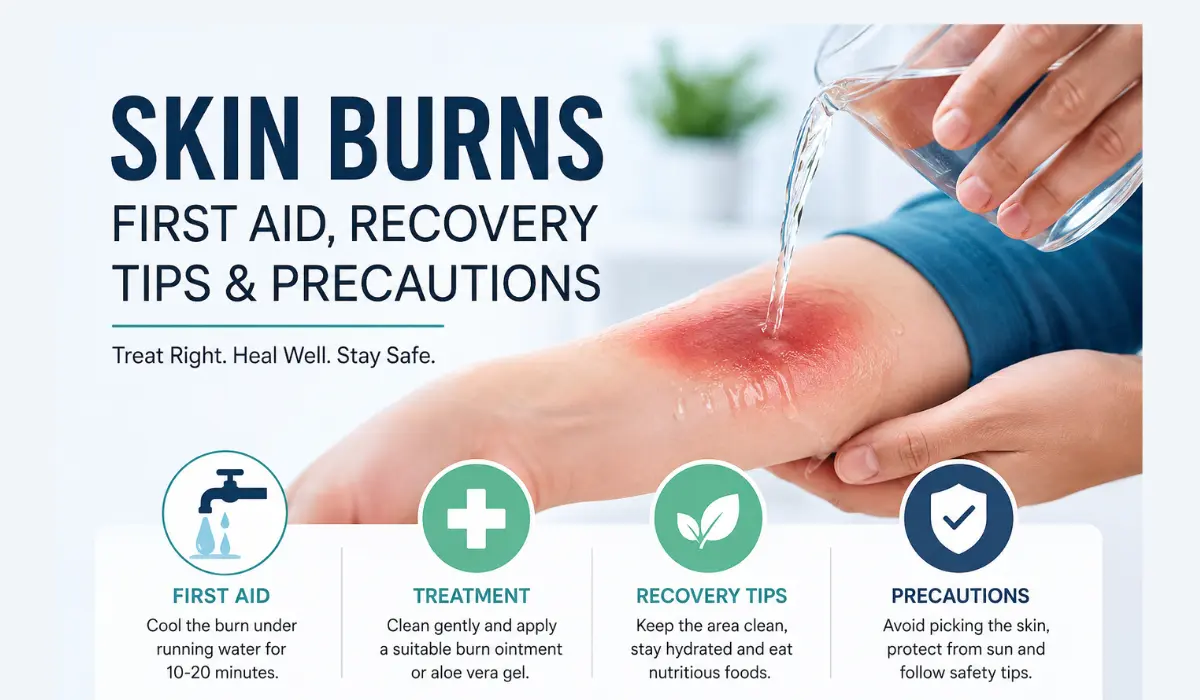
For a minor burn, cool it under cool (not icy) running water for 10 to 20 minutes, remove any rings or tight items nearby, don’t pop blisters, cover loosely with a clean non-stick dressing, and take an over-the-counter pain reliever if needed. Seek emergency medical care immediately for burns larger than 3 inches, burns on the face, hands, feet, groin, or a major joint, electrical or chemical burns, or any burn where the skin looks white, leathery, or charred.
Burns are one of those injuries almost everyone experiences at some point — a splash of hot oil, a curling iron left on too long, a pot handle grabbed without a mitt. Most are minor and heal on their own within a couple of weeks. But burns are also one of the most mishandled injuries at home, mostly because of decades-old advice that’s actually wrong. Butter, ice, toothpaste — if you’ve heard any of these as a “fix,” this guide is going to clear that up.
First, Figure Out What Kind of Burn You’re Dealing With
Not all burns are treated the same way, and the biggest mistake people make is skipping this step. Burns are generally classified into three degrees based on how deep the damage goes.
| Degree | What It Looks Like | Layers Affected | Typical Healing Time |
|---|---|---|---|
| First-degree | Red, dry, mildly swollen, painful to touch — no blisters | Outer layer (epidermis) only | 3–6 days |
| Second-degree | Red, blistered, swollen, splotchy, more painful | Epidermis + dermis | 2–3 weeks |
| Third-degree | White, leathery, charred, or waxy — may look painless due to nerve damage | All skin layers, sometimes fat/muscle | Requires medical treatment; skin grafting is often needed |
A quick way to think about it: a sunburn or a brief touch of a hot pan is usually first-degree. A hot water spill or a burn from a stove that blisters is usually second-degree. Anything that looks charred, leathery, or strangely painless needs emergency care immediately — that lack of pain is often a sign the nerve endings themselves have been damaged, which makes it more serious, not less.
Step-by-Step: How to Treat a Minor Burn (First and Small Second-Degree)
If the burn is first-degree, or a second-degree burn smaller than about 3 inches and not on a sensitive area, you can usually manage it at home using these steps.
1. Cool It Down Immediately
Hold the burned area under cool, gently running water — not ice-cold — for 10 to 20 minutes, or until the pain noticeably eases. If running water isn’t available, a cool, clean, wet compress works too. This is the single most important step: cooling the burn early reduces how deep the damage spreads into the surrounding tissue, and doing it promptly is linked to better healing outcomes.
Never use ice or ice water directly on a burn. It can constrict blood vessels and actually damage the skin further, sometimes causing a second injury on top of the burn.
2. Remove Anything Tight Near the Area
Take off rings, watches, bracelets, or tight clothing near the burn right away — before swelling sets in. Once the area starts to swell, these can become difficult (and painful) to remove, and in worse cases can cut off circulation.
3. Don’t Break the Blisters
If a blister forms, leave it alone. Blisters are the body’s own protective barrier against infection, and popping one intentionally increases your risk of the wound getting infected. If a blister breaks on its own, gently clean the area with mild soap and water, pat it dry, and cover it with a clean dressing.
4. Clean Gently, If Needed
Once the burn has cooled, you can gently clean the surrounding skin with mild soap and water. Avoid scrubbing the burn itself, and skip alcohol-based products or anything fragranced — they’ll irritate already-sensitive skin.
5. Cover It Loosely
Use a sterile, non-stick dressing or clean gauze, wrapped loosely so it doesn’t press on the burned skin. Avoid fluffy cotton balls or material that can leave fibers in the wound. Covering the area keeps air off it, which actually reduces pain, and lowers the chance of infection while it heals.
6. Manage the Pain
Over-the-counter pain relievers like ibuprofen, acetaminophen, or naproxen can help with discomfort — just follow the label directions, and use caution giving aspirin to children or teenagers. Once the burn is fully cooled, a fragrance-free moisturizer or aloe vera gel can help with comfort and dryness as it heals. A thin layer of plain petroleum jelly can also help keep the area moist.
What NOT to Do — Common Burn Myths That Actually Make Things Worse
This is the part most people get wrong, usually because of advice passed down for generations. None of the following belong anywhere near a burn:
- Butter or oils. They trap heat in the skin instead of releasing it, and can increase infection risk.
- Toothpaste. It doesn’t cool the burn, isn’t sterile, and can irritate the wound further.
- Ice or ice water. It can cause additional tissue damage on top of the burn itself.
- Popping blisters on purpose. This removes your body’s natural infection barrier.
- Cotton wool or fluffy dressings directly on the wound. Fibers can stick to the burn and cause irritation or infection.
- Household honey. Medical-grade honey is sometimes used in clinical burn care, but ordinary kitchen honey isn’t sterile and shouldn’t be applied to broken skin.
If you’ve already used one of these on a burn, don’t panic — gently rinse the area with cool water to remove it, then follow the steps above.
When a Burn Needs Emergency Medical Attention
This is the part to take seriously. Some burns are not safe to treat at home, no matter how mild they look at first glance. Get emergency care immediately if any of the following apply:
- The burn is larger than 3 inches (roughly the size of your palm)
- It’s located on the face, hands, feet, groin, buttocks, or a major joint
- The skin looks white, leathery, waxy, or charred — a possible sign of a third-degree burn
- It was caused by electricity or a chemical
- The person is showing signs of shock — pale, clammy skin, rapid breathing, or confusion
- There’s difficulty breathing, which can happen with burns from fire or smoke inhalation
- The burn is on a child, an older adult, or someone with a weakened immune system, even if it looks minor
For chemical burns specifically, brush off any dry chemical first, then flush the area with large amounts of cool running water — don’t just wipe it, since that can spread the chemical further. For electrical burns, always seek medical attention even if the skin injury looks small; the internal damage from an electrical burn is often far worse than what’s visible on the surface.
Recovery Tips: What Healing Actually Looks Like
Even after the initial first aid is done, burns take real time to heal — and how you treat the area during recovery affects how it heals.
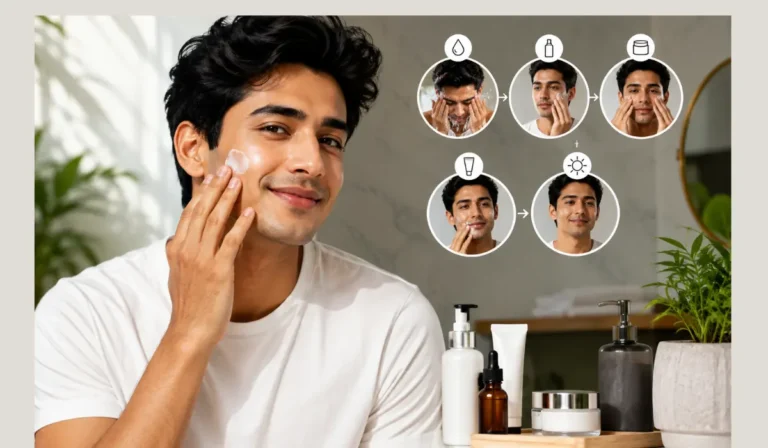
- Keep it moisturized. Once the wound has closed, a fragrance-free lotion or aloe vera gel helps prevent the skin from drying out and cracking. If you’re rebuilding a broader skincare routine around sensitive, healing skin, this minimal 5-step skincare routine is a good gentle starting point — mild cleanser, lightweight moisturizer, and daily SPF cover the basics without overloading recovering skin.
- Protect it from the sun. New skin is far more sensitive to UV damage. Keep healed burns covered or apply sunscreen for several months to avoid discoloration.
- Watch for infection signs. Increasing redness, swelling, pus, a foul smell, or fever after the first couple of days are signs to see a doctor — the wound may be infected rather than simply healing.
- Expect some discoloration. Healed skin may look pink, darker, or lighter than the surrounding area for a while. This is a normal part of healing and usually fades over several months, though deeper burns can leave permanent changes.
- Don’t rush back to sun or heat exposure. Give the area time before exposing it to direct heat sources again, even mild ones like hot showers.
Precautions: Reducing Your Risk of Burns at Home
A large share of burns happen in totally preventable situations — most often in the kitchen or bathroom. A few habits go a long way:
- Turn pot handles inward on the stove so they can’t be knocked or grabbed accidentally
- Test bathwater and baby formula temperature before use
- Keep curling irons, straighteners, and other hot tools unplugged and out of reach when not in use
- Install smoke detectors and keep a fire extinguisher accessible in the kitchen
- Use oven mitts rather than thin towels, which can transfer heat quickly
- Store chemicals and cleaning products away from heat sources and out of children’s reach
Frequently Asked Questions
Should I put ice on a burn?
No. Ice or ice-cold water can damage the skin further. Use cool, gently running water instead, for 10 to 20 minutes.Is it okay to pop a blister from a burn?
No. Blisters protect the wound from infection. If one breaks on its own, clean it gently with mild soap and water and cover it with a clean dressing.How long does a burn take to heal?
A first-degree burn typically heals in 3 to 6 days. A second-degree burn usually takes 2 to 3 weeks. Third-degree burns require medical treatment and take significantly longer, often involving skin grafts.Can I use toothpaste or butter on a burn?
No. Both are common myths that can trap heat, introduce bacteria, and delay healing. Stick to cool water and a clean dressing.When should I see a doctor for a burn?
See a doctor immediately for burns larger than 3 inches, burns on the face, hands, feet, groin, or a major joint, any burn that looks white or charred, electrical or chemical burns, or if there are signs of infection like increasing redness, swelling, or pus.What’s the best thing to put on a burn after cooling it?
Once fully cooled, a fragrance-free moisturizer, aloe vera gel, or a thin layer of plain petroleum jelly can help keep the area comfortable while it heals.
Key Takeaways
- Cool a burn under running water for 10 to 20 minutes — this matters more than anything else you do.
- Never use ice, butter, toothpaste, or household honey on a burn.
- Don’t pop blisters; they protect against infection.
- Cover the burn loosely with a clean, non-stick dressing.
- Seek emergency care for large burns, burns on sensitive areas, electrical or chemical burns, or any burn that looks white, leathery, or charred.
- Watch healed skin for infection signs and protect it from sun exposure during recovery.
Most burns are minor, painful for a few days, and gone within a couple of weeks if treated properly. The real risk isn’t the burn itself — it’s reaching for the wrong home remedy, or waiting too long to get help for one that needed it. Knowing the difference is what actually keeps a bad moment from turning into a much longer one.